
Blog Details
10 Effective Job Search Tips for Finding a Job in Bangladesh

Super Admin
|Jul 30th 2026
|0 Comments
Visit: www.tap2jobs.com
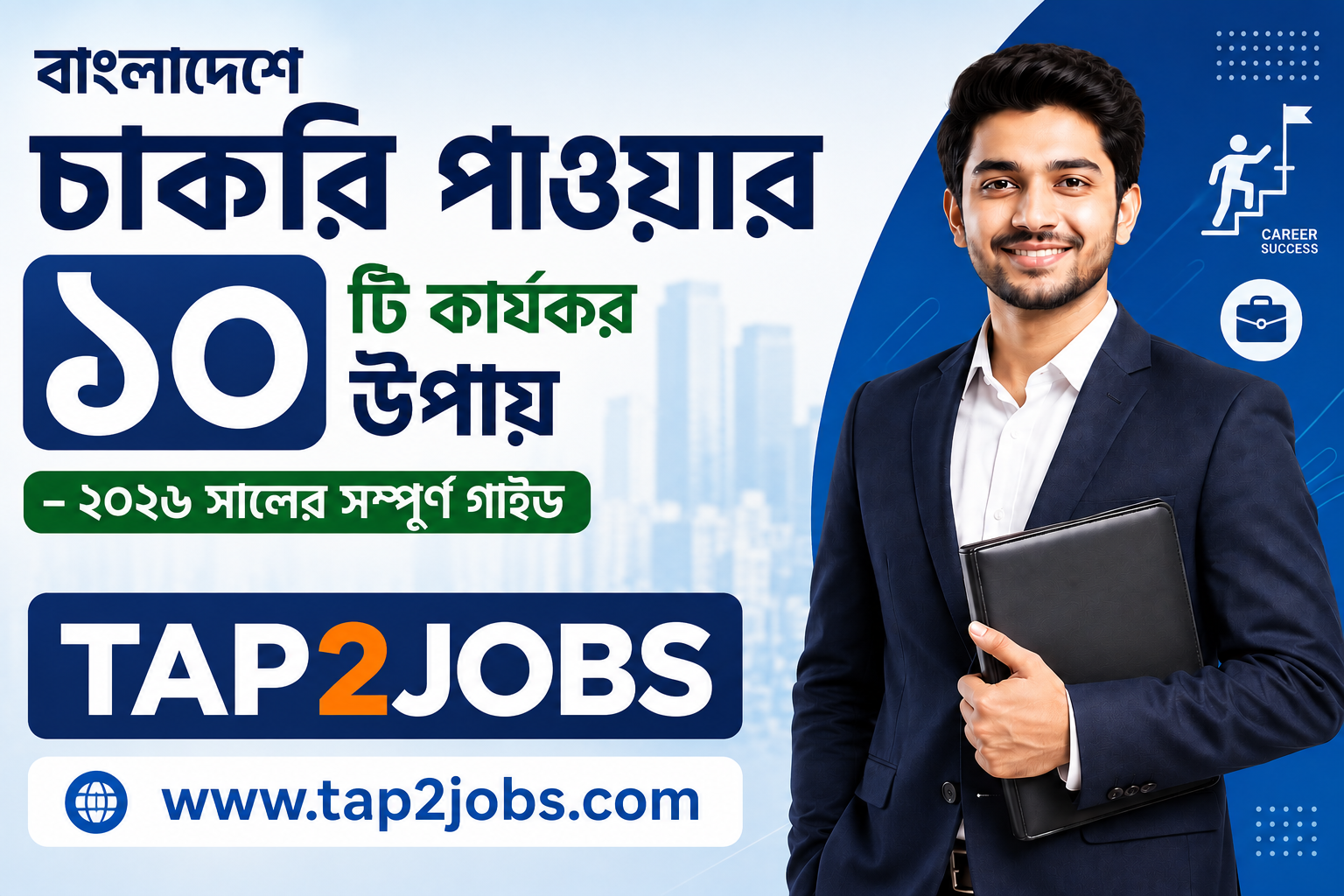
10 Effective Job Search Tips for Finding a Job in Bangladesh
The job market in Bangladesh is becoming increasingly competitive. Every year, thousands of fresh graduates enter the job market and compete for available opportunities. Having good academic results alone is often not enough to build a successful career. Job seekers also need the right strategy, relevant skills, professional preparation, and consistent effort.
If you are looking for a new job in Bangladesh or exploring new career opportunities, the following 10 job search tips can help you improve your job search and prepare more effectively.
1. Create a Professional CV
Your CV is often the first introduction an employer has to you.
A professional CV should generally include:
- Personal Information
- Career Objective
- Educational Qualifications
- Work Experience
- Skills
- Training
- Certifications
- References, when required
Avoid making your CV unnecessarily long by adding irrelevant information. For most job seekers, a clear and well-structured 1–2 page CV is effective.
Make sure your CV is updated and customized according to the position you are applying for.
2. Check New Job Vacancies Every Day
Many job advertisements have application deadlines of only a few days. Therefore, checking job portals regularly can help you discover new opportunities before the deadline.
Visit job websites frequently and search according to your preferred career category.
Popular job categories include:
- IT Jobs
- Accounting Jobs
- Marketing Jobs
- Garments Jobs
- HR Jobs
- Sales Jobs
- Engineering Jobs
Regularly checking new job vacancies in Bangladesh can help you avoid missing relevant opportunities.
3. Customize Your CV for Every Job
Using exactly the same CV for every job application is not always effective.
For example, if you are applying for an Accounting Job, highlight relevant accounting skills, software knowledge, and experience.
If you are applying for a Software Developer position, emphasize programming skills, technical projects, relevant technologies, and your GitHub or portfolio profile.
Read the Job Description carefully and customize your CV according to the employer's requirements. This makes your application more relevant and targeted.
4. Learn New Skills
In today's job market, academic qualifications are important, but practical and job-relevant skills can also play a major role in career development.
Some commonly useful skills include:
- Microsoft Excel
- Advanced Excel
- Microsoft Word
- Microsoft PowerPoint
- AI Tools such as ChatGPT
- Canva
- Digital Marketing
- Graphic Design
- Laravel
- React
- Python
- ERP
- CRM
- Communication Skills
- English Speaking Skills
Develop a habit of learning something new regularly. Choose skills that are relevant to your desired career path and the jobs you want to apply for.
5. Create a Professional LinkedIn Profile
Many companies and recruiters use LinkedIn to discover and connect with potential candidates.
When creating your LinkedIn profile:
- Use a professional profile photo.
- Add relevant skills.
- Include your education and work experience.
- Add your portfolio or professional projects.
- Keep your profile updated.
- Share relevant career-related content when appropriate.
- Connect with professionals in your industry.
A strong and up-to-date LinkedIn profile can help you build professional connections and discover new career opportunities.
6. Prepare Before Your Job Interview
Proper job interview preparation can help you communicate your qualifications more confidently.
Before an interview:
- Research the company.
- Read the Job Description carefully.
- Practice introducing yourself.
- Prepare for common interview questions.
- Review your CV.
- Prepare examples of your skills and experience.
- Arrive at the interview location on time.
Confidence, professionalism, active listening, and respectful communication can all contribute to a positive interview experience.
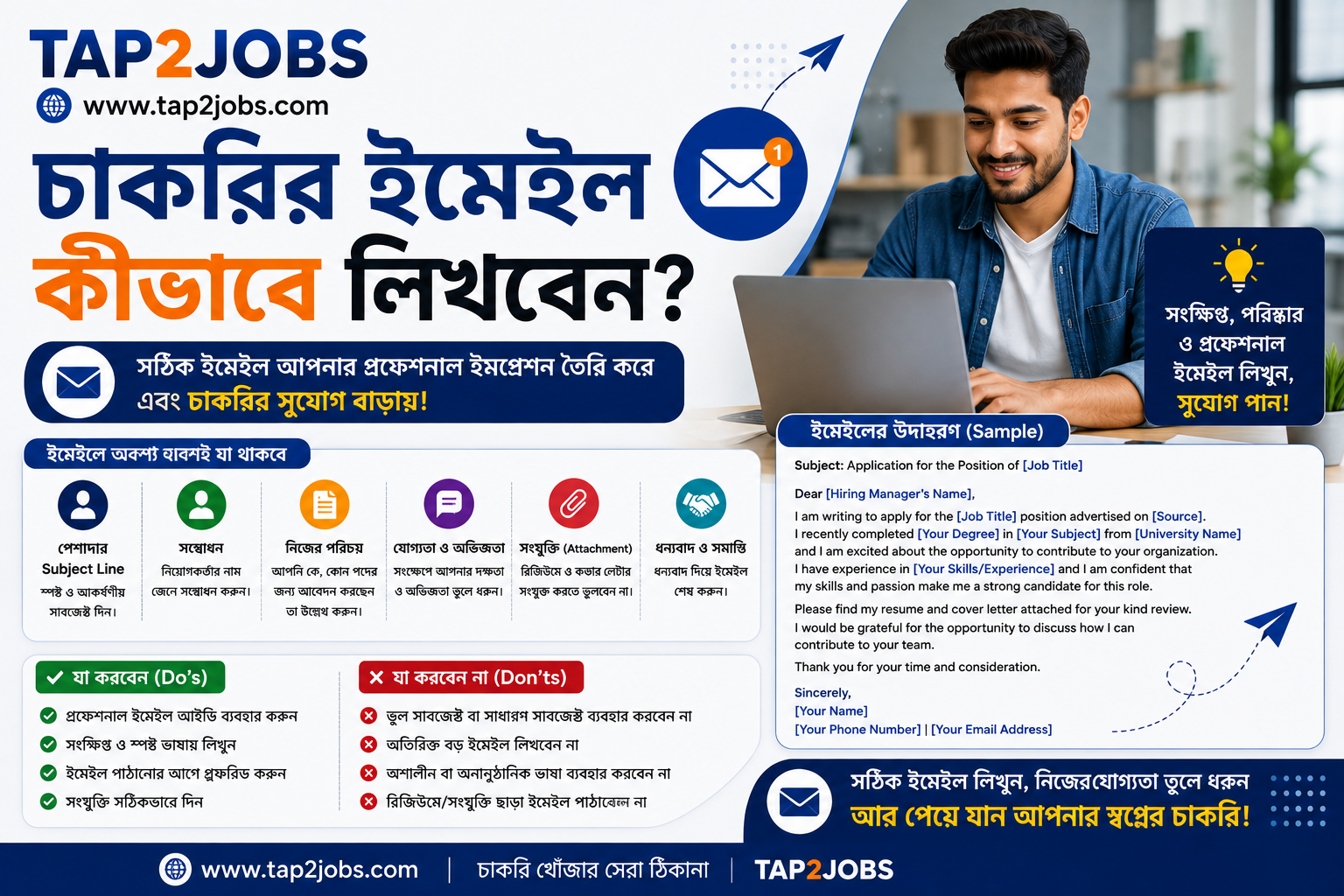
7. Use a Professional Email Address
Many job seekers still use informal email addresses when applying for jobs.
Good Example
Avoid Examples Like:
kingboy123@gmail.comcooldude999@gmail.com
A professional email address based on your name is more appropriate for job applications and professional communication.
Use the same professional email address consistently across your CV, LinkedIn profile, job applications, and other career platforms.
8. Build Your Professional Network
Networking can help you learn about career opportunities, industry events, and professional communities.
You can build your network by:
- Attending career fairs.
- Joining professional groups.
- Following HR professionals and industry experts on LinkedIn.
- Participating in industry events.
- Connecting with university alumni.
- Maintaining professional relationships with former colleagues.
Effective professional networking can help you discover opportunities that may not always be widely advertised.
9. Follow Up After an Interview
Sending a short Thank You Email after an interview can be a good professional practice.
A polite follow-up can demonstrate professionalism and continued interest in the position.
Keep your message short and professional. Thank the interviewer for their time and briefly express your interest in the opportunity.
However, avoid sending repeated messages or contacting the employer too frequently.
10. Apply Consistently and Stay Patient
Some job seekers become discouraged after submitting only a few applications.
In reality, finding the right job can take time. Continue applying for relevant positions, improving your skills, updating your CV, and preparing for interviews.
Job searching is a continuous process. Patience, preparation, consistency, and continuous learning are important parts of a successful job search.
Common Job Search Mistakes to Avoid
Avoid these common mistakes when looking for a job:
- Sending a CV with spelling or grammatical errors
- Using exactly the same CV for every job
- Applying without reading the Job Description
- Arriving late for an interview
- Providing false information
- Using an unprofessional email address
- Failing to follow up appropriately
- Applying for positions without checking whether your qualifications match the requirements
Avoiding these mistakes can make your job application more professional and targeted.
Conclusion
Succeeding in the Bangladesh job market requires more than academic qualifications. A combination of relevant skills, confidence, professional preparation, and a well-planned job search strategy can help you navigate the recruitment process more effectively.
Create a professional CV, regularly search for new job opportunities, develop relevant skills, maintain a strong LinkedIn profile, and prepare thoroughly for interviews. Most importantly, customize your applications according to each job and remain consistent in your efforts.
If you are looking for government, private-sector, or international job opportunities in Bangladesh, visit TAP2JOBS regularly and keep your profile updated. Search for jobs that match your qualifications and skills, apply on time, and take the next step toward your career goals.
Frequently Asked Questions (FAQ)
1. What is the best way to find a job in Bangladesh?
A combination of a professional CV, regular job searching, networking, skill development, LinkedIn, and proper interview preparation can make your job search more organized and effective.
2. How often should I check job vacancies?
Checking job portals daily or regularly can help you discover new opportunities and submit applications before their deadlines.
3. Should I customize my CV for every job?
Yes. Customize your CV according to the Job Description and highlight the qualifications, skills, and experience most relevant to each position.
4. Is LinkedIn important for job seekers?
LinkedIn can help job seekers build professional networks, showcase their skills and experience, connect with recruiters, and discover career opportunities.
5. What skills should job seekers learn?
The right skills depend on your career field. Examples include Excel, communication, digital marketing, programming, ERP, CRM, graphic design, and English communication. Focus on skills that are relevant to your target jobs.
Visit: www.tap2jobs.com
Categories :
Related career articles
View all articles













Comments (0)